Walk me through your toolbox, and I’ll tell you who you are.
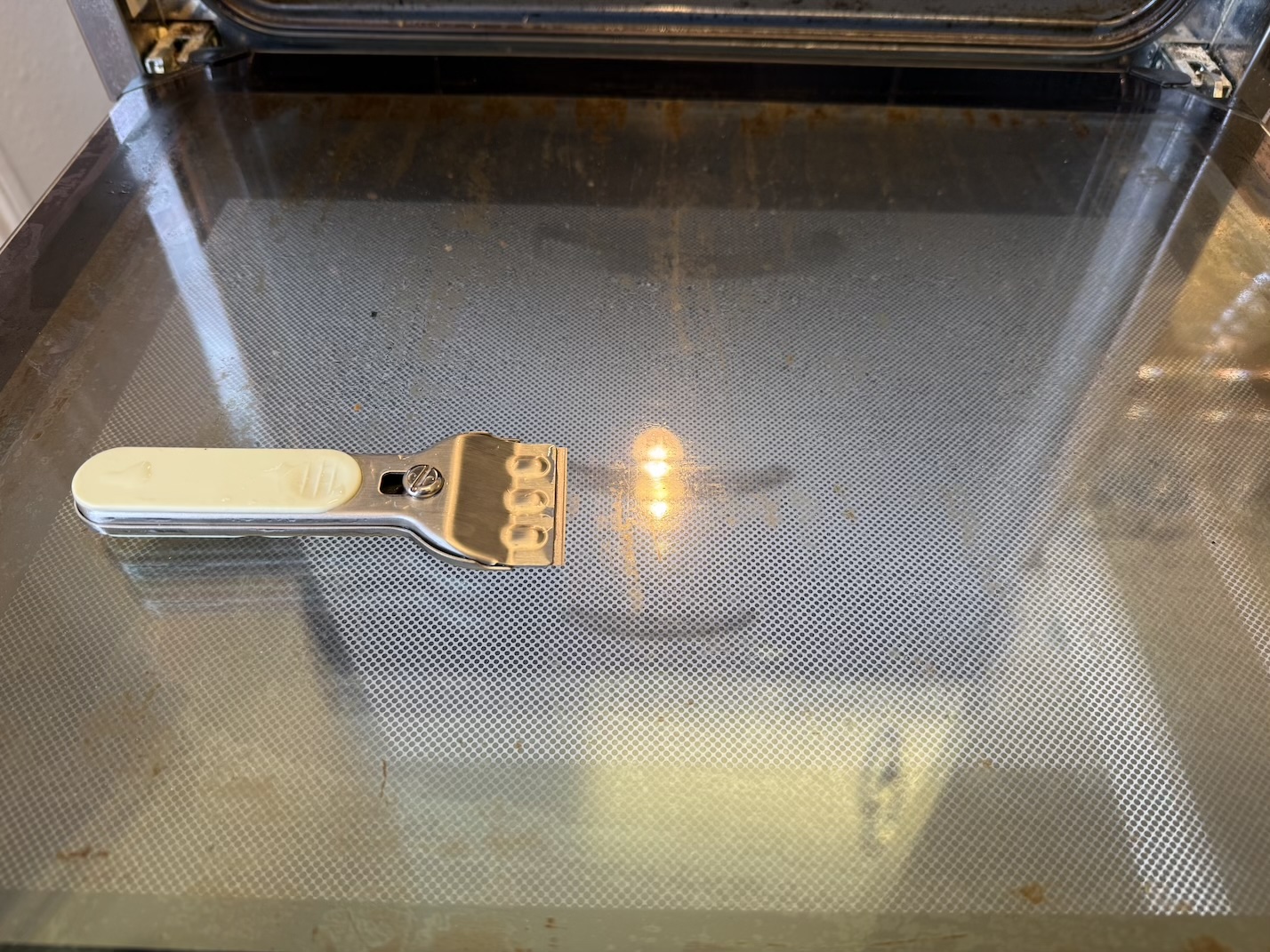
I cleaned my oven today.
Not because I wanted to. Something spilled over, and I had to start scrubbing. You know how it goes—you start at the bottom, then think “well, while we’re at it…” and before you know it, you’re deep cleaning the whole thing.
I started scraping the window and thought: wait. You can actually see through this thing?
The glass had turned opaque—slowly, over months—and I hadn’t noticed. The warm oven light made it feel normal. You look through it every day. You adapt. One day you realize you’ve been peering through dirty glass for a year, thinking that’s just how ovens look.
While scrubbing, I started thinking about tools.
What Your Tools Say About You
There’s something about how craftspeople treat their tools that tells you everything you need to know about their work.
A carpenter who keeps their chisels sharp. A chef who maintains their knives. A developer who customizes their IDE. These aren’t just habits—they’re signals.
We use the German word Handwerk for this—literally “hand-work,” craftsmanship. I look for Handwerker. I love working with them. They’re the people who care about what comes out—not just the process, and not just showing up.
Coding is Handwerk. Sales is Handwerk. Documentation is Handwerk—if you take it seriously. And how you treat your tools tells the whole story.
Three Types
The Job Doers. Tools don’t matter. They use whatever’s available, never customize, never maintain. The default settings are fine. Their keyboard is grimy, their IDE is stock, their desk is chaos. They get work done—but they produce work, not craftsmanship.
The Craftspeople. Tools are cared for. They maintain their equipment. They customize for their workflow. They know what each tool does and why they chose it. Their setup has intention. They produce good work because they’ve invested in the foundation that enables good work.
The Tool Lovers. Only work on their toolbox, never with it. Perfect setup. Endless tweaking. Dotfiles repository with thousands of GitHub stars. Expensive knives that need special care. Form over function, polished to perfection. But look at their output: not much. Great tools, no results. They’ve confused preparation for production.
The Tell
When I work with people—in a team, during code reviews, or when I see someone’s work for the first time—I look at their tools.
What tools do you use? Walk me through your setup. Why this and not that?
The way they answer tells me everything:
- Do they maintain their tools?
- Did they customize anything for their workflow?
- Can they explain why their setup is what it is?
- Do they actually produce with those tools—or just polish them?
A developer with a messy, stock IDE might still be productive. But a developer who’s clearly thought about their environment, who has shortcuts configured, who maintains their workspace—that’s a signal. They care about the craft, not just the output.
The inverse is equally telling. Someone with the most elaborate Notion setup, the most complex productivity system, the most pristine tooling—but no shipped work? That’s a tool lover. All preparation, no production.
The Pattern
Neglected tools → Job doer. Gets things done, doesn’t care how.
Maintained and customized tools → Craftsperson. Cares about the work and what enables it.
Obsessively perfect tools → Tool collector. Loves the game of optimization more than playing it.
None of these are necessarily “wrong.” But they tell you what to expect.
Win-Win
My oven is happy now. Clean enough, not blitzeblank—but transparent again.
And since it still smells like cleaning supplies, I’m using this first run to re-season my cast-iron pans. Next tool maintained.
What does your toolbox say about you?